
Commercial mold poses significant health risks and productivity losses due to water leaks, high humidity, and previous moisture damage. Prompt action is crucial for prevention. Natural mold removal techniques, avoiding chemical residues, involve identifying moisture sources, removing contaminated materials, and employing advanced air filtration. Regular inspections and remediation every 1-3 years safeguard investments and ensure a safe environment. Chicago's climate necessitates strategic approaches like those pioneered by Property Restoration of the Capital Region, focusing on non-toxic methods, prevention, and long-term sustainability. Effective mold removal requires thorough inspections, addressing root causes, and specialized equipment while adhering to Illinois' strict guidelines for commercial cleanup. Post-removal prevention involves regular inspections, addressing water intrusion, optimal humidity, ventilation, and periodic professional assessments.
Commercial mold removal in Chicago is a critical issue for businesses and property managers alike. Mold thrives in the humid, bustling environment of commercial spaces, posing health risks and potential damage to structures. Left unchecked, it can cause indelible harm to both people and buildings. Fortunately, there's a natural approach to mold removal that offers effective solutions without relying on harsh chemicals. This article delves into the intricacies of commercial mold removal in Chicago, exploring eco-friendly techniques and providing expert insights for achieving a clean, safe environment.
- Understanding Commercial Mold: Causes and Health Risks
- The Benefits of Natural Mold Removal Techniques
- Step-by-Step Guide: Efficient Mold Inspection Process
- Safe and Effective Mold Remediation Strategies
- Legal Considerations for Commercial Mold Cleanup
- Preventing Mold Recurrence: Post-Removal Maintenance
Understanding Commercial Mold: Causes and Health Risks

Commercial mold can pose significant health risks to building occupants, leading to a decline in productivity and even long-term health issues. Understanding the causes of commercial mold is essential for effective prevention and swift action when it occurs. Common sources include water leaks from roofs, pipes, or appliances; high humidity levels due to poor ventilation; and previous moisture damage, such as leaks in basements or attics. These conditions create an ideal environment for mold growth, which can spread quickly throughout a building's structure, hiding in hard-to-reach areas like walls, floors, and behind cabinets.
One of the most vulnerable areas is the basement, where persistent moisture issues often go unnoticed until severe mold problems develop. "Molds in basement?" queries are frequent among Chicago property owners. This is particularly concerning given that basements typically serve as utility hubs and storage spaces, increasing the risk of widespread contamination. Professional carpet mold cleanup is crucial when hidden mold growth is suspected, as it ensures comprehensive remediation. The capital region's climate, with its humid summers and snowy winters, contributes to these challenges, making proactive measures and swift response times vital for maintaining healthy indoor environments.
Property Restoration of the Capital Region emphasizes the importance of regular inspections and immediate action upon discovering mold. Our experts recommend addressing any water damage or signs of moisture intrusion promptly to prevent the need for extensive, costly renovations later. Mold removal naturally involves identifying the source of moisture, removing contaminated materials, and employing advanced techniques like air filtration to eliminate residual spores. By remediating hidden mold growth 1-3 times throughout a building's lifecycle, property owners can safeguard their investments and ensure a safe working environment for tenants.
The Benefits of Natural Mold Removal Techniques

When it comes to commercial mold removal in Chicago, opting for natural techniques offers a host of benefits that extend far beyond surface cleaning. While chemical solutions may provide quick fixes, they can leave behind residue and potential health risks. Natural methods, on the other hand, not only effectively eliminate mold but also promote a healthier environment and long-term prevention.
Expert advice on mold prevention emphasizes creating an environment that discourages growth. In terms of remediating mold in kitchens—a common area for moisture buildup—using natural cleaners like vinegar and baking soda can be highly effective. For instance, a mixture of equal parts vinegar and water can be used to clean surfaces, while baking soda is excellent for absorbing odors and neutralizing chemical residues left by cleaning products. This affordable mold cleaning solution is not only eco-friendly but also safe for apartments, ensuring a comfortable living space without the risks associated with harsh chemicals.
In the world of commercial property management, especially in the Capital Region, Property Restoration of the Capital Region has pioneered natural mold removal techniques. By focusing on prevention and using non-toxic methods, they've achieved remarkable results while keeping costs down. For example, implementing proper ventilation systems and improving air circulation can significantly reduce moisture levels, making it harder for mold to thrive. Additionally, sealing potential entry points and addressing leaks promptly are essential steps in affordable mold cleaning for apartments, as they prevent the continuous introduction of water vapor that fuels mold growth.
Ultimately, natural mold removal techniques not only provide an effective and safe solution but also foster a more sustainable approach to property maintenance. By understanding and utilizing these methods, property managers can offer tenants healthier living spaces, reduce long-term remediation costs, and contribute to a greener environment.
Step-by-Step Guide: Efficient Mold Inspection Process

A thorough mold inspection is the cornerstone of effective commercial mold removal in Chicago. This multi-step process ensures a comprehensive understanding of moisture issues and potential mold growth, enabling local professionals for mold removal to devise tailored long-term mold control strategies. It begins with a visual assessment, where experts carefully examine walls, ceilings, floors, and other surfaces for visible signs of mold or water damage. This initial step often uncovers obvious problems, but it's just the beginning. Next, they employ moisture meters to pinpoint areas of elevated humidity, even those hidden behind drywall or under flooring.
A crucial aspect of the process involves taking air samples to analyze airborne mold spores. This data helps in understanding the extent of contamination and identifying specific types of mold present. For instance, Stachybotrys, often referred to as black mold, requires distinct handling due to its potential health risks. Once thorough inspection reveals the scope of the issue, Property Restoration of the Capital Region's team leverages this information to develop a customized plan for natural mold removal or remediation. This strategy could involve removing and replacing contaminated materials, applying specialized enzymes to break down existing mold, and implementing preventive measures to stop future growth.
Beyond immediate mold removal, local mold specialists focus on addressing the root cause of moisture problems to prevent recurrence. This may include fixing leaks, improving ventilation, or enhancing building insulation. By combining these approaches, our professionals ensure not only effective short-term mold control but also long-term stability against this persistent issue.
Safe and Effective Mold Remediation Strategies

When it comes to commercial mold removal in Chicago, understanding safe and effective remediation strategies is paramount. Mold can be a persistent problem, especially in areas prone to moisture like bathrooms—we've got this covered. Property Restoration of the Capital Region specializes in identifying and remediating hidden mold growth, offering natural solutions where possible.
Mold damage isn't just an aesthetic issue; it can pose significant health risks. According to the Environmental Protection Agency (EPA), exposure to mold can cause a range of problems, from allergies and asthma to respiratory infections. That's why our expert team follows stringent protocols to ensure complete mold removal. This includes using specialized equipment, like air scrubbers and negative air pressure systems, to contain and eliminate mold spores during the remediation process.
Remediating mold requires a multi-step approach. First, we conduct thorough inspections to identify the source of moisture and extent of mold growth. Once located, hidden mold is safely removed with minimal disruption to your business operations. After removal, we apply industrial-strength disinfectants to kill any remaining spores, ensuring a clean and safe environment. For example, in commercial kitchens or bathrooms where humidity levels are high, we might recommend implementing preventive measures like better ventilation systems or improved water leak detection.
Property Restoration of the Capital Region is committed to not only removing mold but also preventing its return. By combining advanced technology with natural, eco-friendly solutions, we offer comprehensive mold remediation services tailored to your Chicago business's unique needs. Don't let mold damage fester—we're here to help!
Legal Considerations for Commercial Mold Cleanup
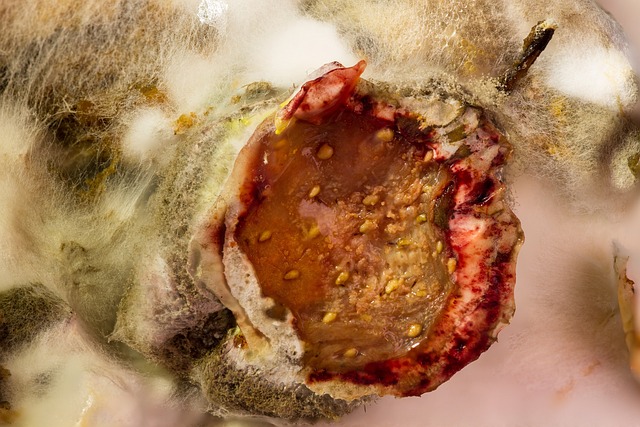
When addressing commercial mold removal in Chicago, understanding the legal considerations is an essential step in the remediation process. Property owners and managers must be aware of their responsibilities to ensure a safe and healthy work environment for tenants and comply with local regulations. One key aspect often overlooked is identifying and remediating hidden mold growth, especially in areas like basements or hard-to-reach spaces. According to a study by the Environmental Protection Agency (EPA), mold can cause various health issues, ranging from respiratory problems to allergic reactions, making prompt action crucial.
In Illinois, including Chicago, there are strict guidelines for commercial mold cleanup. The state's Department of Public Health outlines specific protocols for assessment and remediation, emphasizing the need for proper training and equipment. Property Restoration of the Capital Region, a leading expert in the field, highlights that "remediating hidden mold growth can be challenging but is vital to restoring peace of mind after such incidents." For instance, a recent case study revealed that a basement with historical water damage harbored extensive mold growth behind walls and under flooring. Professional mold removal services employing natural methods proved effective, ensuring not only the elimination of visible mold but also addressing hidden sources.
Legal implications come into play when property owners fail to address mold issues promptly. Several states, including Illinois, have laws holding landlords accountable for maintaining safe living conditions. Neglecting mold remediation can lead to legal repercussions and financial burdens. Therefore, it's advisable to engage reputable professionals equipped with the latest tools and knowledge in natural mold removal techniques. By doing so, commercial property owners can mitigate risks, comply with regulations, and ensure a healthy environment for all occupants.
Preventing Mold Recurrence: Post-Removal Maintenance
After successfully completing a commercial mold removal project, preventing mold recurrence is paramount to ensure a healthy and safe work environment. This involves a comprehensive post-removal maintenance strategy that goes beyond surface cleaning. A key aspect is understanding that mold thrives in dark, damp spaces, making regular inspections crucial. For instance, attics—often overlooked—can become breeding grounds for molds. Therefore, addressing potential water intrusion or moisture issues promptly is essential, as even small amounts of water can facilitate mold growth within 24-48 hours.
Natural mold removal methods, such as using vinegar or essential oils, can be effective for minor infestations but may not tackle severe cases. For extensive mold damage, professional intervention is advised. Restoring properties after water damage and mold requires specialized equipment to remove contaminated materials and thoroughly clean affected areas. This process includes structural decontamination, air purification, and surface sanitization using non-toxic, environmentally friendly products.
Long-term mold control involves regular cleaning routines, including vacuuming and wet wiping surfaces, especially in high-risk zones like bathrooms and kitchens. Maintaining optimal indoor humidity levels (40-50%) can significantly inhibit mold growth. Additionally, ensuring proper ventilation and addressing any plumbing leaks promptly are fundamental practices. By combining these measures with periodic professional inspections, businesses can effectively manage and prevent mold recurrence, fostering a healthier living environment for employees. Property Restoration of the Capital Region specializes in such comprehensive solutions, offering peace of mind for commercial property owners concerned about molds in attic or other areas.
By thoroughly understanding commercial mold's causes, health risks, and effective removal strategies, including natural mold removal techniques, readers are now equipped to address this critical issue. The step-by-step guide on mold inspection offers a practical framework for identifying and assessing mold problems. Safe remediation strategies emphasize the importance of professional equipment and expertise while navigating legal considerations ensures responsible cleanup. Preventative measures after removal underscore the need for ongoing maintenance to avoid recurrences. Ultimately, this comprehensive article empowers readers with the knowledge to address commercial mold issues effectively, promoting healthier environments through informed actions and considering natural mold removal where applicable.