
Severe mold contamination in Chicago homes is driven by humid climates and moisture intrusion from leaks. Addressing structural issues like leaky pipes and poor ventilation is crucial for natural mold removal. While essential oils and ventilation help mild cases, extensive water damage requires professional equipment. Natural methods include dehumidifiers, vinegar, and baking soda. Protective gear and thorough cleaning after removal are vital. Regular inspections prevent future growth, ensuring a healthy living environment through effective mold removal naturally.
Severe mold contamination is a pressing issue in Chicago homes and buildings, posing significant health risks to occupants and property damage. The presence of extensive mold growth can be a result of various factors, including water intrusion, poor ventilation, and temperature fluctuations. This article delves into the intricacies of addressing this complex problem effectively, focusing on natural mold removal methods as a sustainable and healthy alternative. By providing expert insights, we aim to guide readers through the process, ensuring proper remediation techniques for a safer, more comfortable living environment in Chicago's unique conditions.
- Understanding Severe Mold Contamination in Chicago
- Evaluating Your Home for Natural Mold Removal Solutions
- Step-by-Step Guide to Effective Mold Remediation
- Preventing Future Mold Growth: Long-Term Strategies
Understanding Severe Mold Contamination in Chicago

Severe mold contamination is a significant issue in Chicago's humid climate, where certain areas experience elevated moisture levels year-round. This creates an ideal environment for mold growth, particularly in older buildings with inadequate ventilation and water damage. Understanding the nuances of severe mold contamination requires a deep dive into its causes, effects, and effective remediation strategies.
Mold removal naturally starts with identifying the source of moisture intrusion. Common culprits include leaky pipes, roof leaks, or poor drainage around the property. Once moisture is introduced, organic materials like wood, drywall, and insulation provide nourishment for mold to thrive. In Chicago, where homes often have older construction, repairing walls after mold damage becomes a critical step in achieving a mold-free living space. Property Restoration of the Capital Region, your partner in mold-free living, emphasizes the importance of specialized equipment and techniques to safely remove mold and prevent future growth.
Bathrooms are particularly vulnerable to mold due to high humidity levels. According to recent studies, over 50% of Chicago homes surveyed had visible mold in their bathrooms, highlighting the need for proactive measures. Addressing molds in bathroom areas requires thorough cleaning and drying, along with implementing better ventilation systems. By taking these steps, homeowners can significantly reduce the risk of severe mold contamination and ensure a healthier living environment. Effective remediation involves not just removing the mold but also repairing any structural damage and addressing the underlying moisture issues to prevent recurrences.
Evaluating Your Home for Natural Mold Removal Solutions

When facing severe mold contamination in your Chicago home, many homeowners wonder about natural mold removal solutions. While it's true that some molds can be managed through non-toxic methods, complete mold removal often requires professional intervention, especially after extensive water damage. Property Restoration of the Capital Region, a top-rated mold abatement company, emphasizes the importance of a thorough assessment and tailored strategy for restoring your home to its pre-damaged state.
The first step in evaluating your home is identifying the source of moisture that fueled mold growth. Water leaks from pipes, roofs, or even high humidity can create the perfect environment for mold to thrive. Once the source is pinpointed, it's crucial to address any structural damage, such as repairing or replacing walls, ceilings, and insulation affected by mold or water intrusion. This phase sets the foundation for effective natural mold removal and prevents future growth.
Natural mold removal techniques can be effective in mitigating mild cases of mold or as a complementary approach alongside professional remediation. Common natural solutions include using essential oils like tea tree oil or lemon juice, which have antifungal properties. Ventilating areas with good air circulation and maintaining optimal humidity levels below 50% also help inhibit mold growth. However, for severe contamination—particularly after water damage—it's recommended to consult with a professional restoration company like Property Restoration of the Capital Region. They employ advanced equipment and industry-leading protocols to ensure thorough mold removal, repairing walls, and restoring your home safely and effectively.
Step-by-Step Guide to Effective Mold Remediation
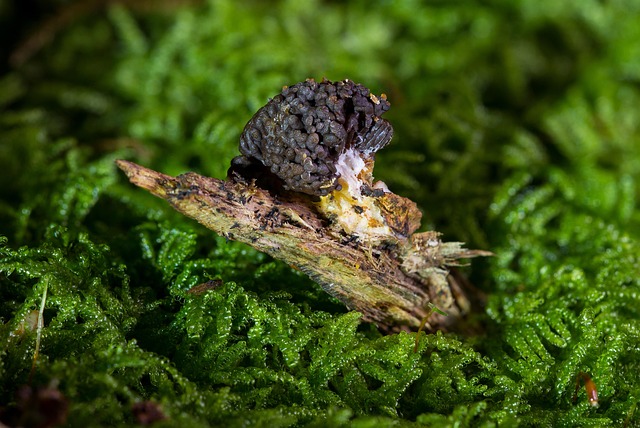
Mold removal is a critical process that requires careful consideration and expert care, especially in severe cases of mold contamination. When addressing extensive mold growth, a systematic approach is essential to ensure safe and effective remediation. Here's a step-by-step guide designed to help property owners navigate this challenging task, restoring their spaces naturally and thoroughly.
The initial step involves identifying the source of moisture that fuels mold growth. Musty smells can be an indicator, but visual cues are key—look for discolored spots, particularly in dark, damp areas like basements or behind walls. Once located, addressing the water intrusion or leak is paramount. This may involve repairs or improvements to plumbing, roofing, or ventilation systems. For instance, a leaking roof can lead to significant mold issues; fixing it prevents future recurrence. After containing and repairing moisture sources, the actual mold removal begins.
Natural methods for mold removal are gaining popularity due to their effectiveness and environmental friendliness. Solutions like non-toxic cleaning agents, vinegar, or baking soda mixed with water can be powerful tools against mold. For severe infestations, specialized equipment like dehumidifiers and air purifiers may be necessary. These devices help dry out the affected area and remove airborne mold spores, ensuring a healthier environment as restoration progresses. Property Restoration of the Capital Region emphasizes that proper protective gear, including masks, goggles, and gloves, is crucial during this phase to prevent exposure to mold spores.
The final steps focus on preventing future mold growth and restoring your space. This includes thorough cleaning and disinfection of surfaces, improving ventilation, and addressing any structural issues that contributed to the initial mold development. Regular inspections and maintenance are vital to ensure the longevity of a mold-free environment. By following these steps, you can effectively mitigate severe mold contamination, restore your property, and create a healthier living or working space naturally.
Preventing Future Mold Growth: Long-Term Strategies

Severe mold contamination is a significant issue in Chicago homes, but understanding and addressing it naturally can yield substantial benefits. By evaluating your home's environmental conditions, you can identify natural mold removal solutions. The step-by-step guide provided offers practical strategies for effective mold remediation, from identifying sources to proper cleanup techniques. Additionally, focusing on long-term prevention through improved ventilation, moisture control, and regular inspections is crucial to hindering future mold growth. Embracing these key insights equips Chicago residents with the knowledge to tackle severe mold contamination naturally, fostering healthier living environments and promoting cost-effective, eco-friendly practices.