
Emergency mold assessment and natural removal are critical for home health and longevity. Certified professionals inspect for growth, identify root causes, and guide tailored strategies using air quality testing and detailed reports. Natural mold removal techniques use non-toxic agents like chlorine dioxide, oxygen, vinegar, baking soda, and tea tree oil, offering safe, cost-effective solutions. Post-remediation safety involves addressing underlying issues, air quality testing, and maintaining optimal ventilation and humidity to prevent future growth. Property Restoration of the Capital Region specializes in expert mold care, combining scientific testing with natural solutions for a healthy living space.
Mold poses a significant health risk, with symptoms ranging from respiratory issues to allergic reactions. Its presence, especially in homes, is a growing concern for many. When mold infestation strikes near you, a swift and effective response is crucial. This article provides an authoritative guide on conducting emergency mold assessments and offers practical insights into natural mold removal methods. We'll explore the complexities of identifying mold, its potential sources, and share expert tips for safe, eco-friendly remediation. By the end, you'll be equipped with the knowledge to address this pressing issue, ensuring a healthier living environment through effective, natural mold removal techniques.
- Understanding Emergency Mold Assessment Procedures
- Natural Solutions for Effective Mold Removal
- Navigating Post-Remediation Environmental Safety
Understanding Emergency Mold Assessment Procedures

When facing an emergency mold assessment near you, understanding the procedures is crucial for a safe and effective response. The first step involves a thorough inspection by certified professionals who can accurately identify mold growth and determine its extent. Expert advice on mold prevention should be sought to understand the root causes, which often lie in water intrusion or excessive humidity. In Albany, for instance, where homes and buildings may experience varying climate conditions, proactive measures are key to preventing mold formation.
A comprehensive assessment includes both visual inspection and air quality testing. During the visual scan, specialists look for signs of mold, water damage, or unusual smells that could indicate a hidden mold problem. They also assess the property's history and recent events that might have contributed to moisture issues. Once potential problem areas are identified, air sampling is conducted to measure mold spores in the air, helping to pinpoint the severity and types of molds present. This data guides the development of a tailored mold removal naturally strategy.
After the assessment, the best mold remediation experts in the Capital Region will provide a detailed report outlining the scope of work, recommended treatments, and estimated costs. Safe and effective mold abatement requires specialized equipment and knowledge to ensure that mold is eliminated without causing further contamination or structural damage. Property Restoration of the Capital Region, for example, offers expert advice on mold prevention and remediation, ensuring that homes and businesses are restored to a safe, healthy condition. Following the assessment, implementation of long-term solutions like improving ventilation systems, fixing water leaks, and addressing issues with humidity control is essential to prevent mold recurrence.
Natural Solutions for Effective Mold Removal

When facing mold issues, many homeowners turn to natural solutions for mold removal as a healthier and more eco-friendly alternative. While traditional methods often involve harsh chemicals, natural approaches offer a safer and more sustainable way to address mold problems. At Property Restoration of the Capital Region, we specialize in providing expert care for mold-infested areas, combining specialized mold testing & inspection with affordable mold cleaning services tailored for apartments, regardless of size—from 1 to 3 bedrooms.
Natural mold removal techniques leverage the power of certain plants, essential oils, and non-toxic chemicals to combat mold growth effectively. For instance, products containing chlorine dioxide or oxygen are known to be powerful mold killers without leaving behind harmful residues. Additionally, natural cleaners like vinegar, baking soda, and tea tree oil can prevent mold spores from spreading while safely eliminating existing mold colonies. These methods not only ensure a healthier living environment but also reduce the risk of adverse health effects associated with exposure to toxic chemicals.
One of the key benefits of opting for natural mold removal is its affordability, especially when compared to specialized mold remediation services. Many people are surprised to learn that thorough yet budget-friendly mold cleaning can be achieved without breaking the bank. Property Restoration of the Capital Region offers affordable packages designed for apartments, ensuring every homeowner has access to effective and safe mold removal solutions. Regular inspections and proactive measures can prevent future mold growth, making natural mold removal a smart investment in your home's longevity and your family's well-being.
Navigating Post-Remediation Environmental Safety
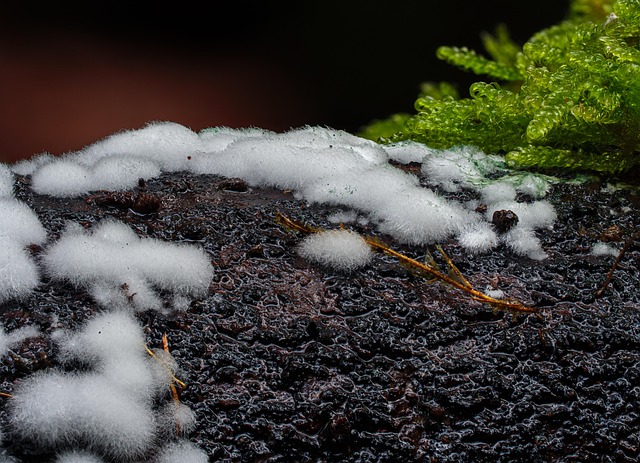
Navigating Post-Remediation Environmental Safety
After a mold removal process, ensuring environmental safety is paramount for a healthy living space. Mold damage? We're here to help! Proper remediation goes beyond simply removing visible mold; it involves addressing the underlying causes and restoring the environment to prevent future growth. A successful mold removal naturally involves a comprehensive understanding of the scope of contamination and implementing effective decontamination strategies.
For instance, Property Restoration of the Capital Region emphasizes the importance of air quality testing post-remediation. According to recent studies, poor indoor air quality can exacerbate health issues, especially for individuals with respiratory conditions or allergies. By conducting thorough tests, professionals can identify any residual mold spores or volatile organic compounds (VOCs) that may remain after the initial cleanup. This data-driven approach ensures a truly safe and healthy environment.
Your partner in mold-free living, Property Restoration of the Capital Region offers expert advice on maintaining post-remediation safety. Regular ventilation, keeping humidity levels between 30% to 50%, and addressing any water intrusion issues are critical steps. Additionally, using natural remedies for mold removal, such as vinegar or essential oils, can aid in creating an inhospitable environment for mold growth without introducing harsh chemicals. We advocate for a holistic approach that combines scientific testing with natural solutions, ensuring our clients enjoy a mold-free living space for years to come while prioritizing healthy living through mold control.
In conclusion, this article has provided an authoritative guide to emergency mold assessment, effective removal strategies, and ensuring environmental safety post-remediation. Key insights include the importance of understanding specialized assessment procedures for prompt and accurate identification. Natural solutions for mold removal are highlighted as a sustainable and effective approach, emphasizing the value of eco-friendly methods, particularly in sensitive environments. Moreover, navigating post-remediation safety ensures that areas affected by mold are secure and habitable again. Readers can now take informed actions by implementing these strategies, ensuring thorough mold removal naturally, and restoring safe living spaces with confidence.