





Miami's humid climate demands proactive mold prevention. Key strategies include regular inspections, maintaining proper humidity (30%-50%), sealing gaps, using waterproof membranes, and prompt leak repairs. Natural mold removal techniques, like vinegar and tea tree oil, are effective for minor infestations. Professional services offer comprehensive remediation, tailored solutions, and long-term control. Prompt action minimizes health risks and property damage from mold exposure. Combining natural methods with expert advice creates a safer, healthier living environment through effective, eco-friendly mold removal naturally.
Miami’s unique climate presents a significant challenge: the frequent occurrence of water intrusions leading to mold growth. This poses not only health risks but also property damage. Traditional mold removal methods often rely on harsh chemicals, raising concerns about safety and environmental impact. In response, there’s a growing interest in natural mold removal solutions. This article delves into the critical issue of local emergency mold response in Miami, exploring environmentally friendly and safe approaches to mitigate mold growth. We offer practical insights into effective mold removal naturally, guiding residents toward healthier and more sustainable alternatives.
- Understanding Miami's Emergency Mold Situations
- Early Detection: Signs of Hidden Mold in Homes
- Natural Mold Removal Techniques Explained
- Safety Protocols for DIY Mold Remediation
- Professional Mold Inspection and Removal Services
- Preventing Mold Recurrence: Long-Term Solutions
Understanding Miami's Emergency Mold Situations

Miami’s climate—warm and humid—presents unique challenges when it comes to emergency mold response. Understanding these situations requires a deep dive into the city’s environmental conditions and building infrastructure. The region’s high humidity levels create an ideal environment for mold growth, with kitchens often being hot spots due to high moisture content and potential food sources. According to recent studies, over 50% of Miami homes have experienced some form of water intrusion, leading to severe mold issues within a year.
Remediating mold in kitchens is a critical aspect of emergency response. Natural mold removal methods, such as using vinegar or essential oils, can be effective for minor infestations but may not tackle the root causes. Insured and licensed mold services are crucial for comprehensive remediation, ensuring safe removal and preventing further spread. Property Restoration of the Capital Region, for instance, specializes in handling large-scale kitchen mold outbreaks, offering both immediate emergency response and long-term control strategies. These include implementing better ventilation, addressing leaky pipes, and using mold-resistant materials during renovation projects.
Long-term mold control requires a multi-faceted approach. Regular inspections, especially after severe weather events, can help identify early signs of mold growth. Homeowners should also maintain proper humidity levels (between 30% and 50%) through air conditioning or dehumidifiers. Property managers and homeowners alike should consider preventive measures like sealing gaps around pipes and windows, using waterproof membranes in basements, and promptly repairing water leaks to mitigate the risk of mold development. These strategies not only protect health but also preserve the structural integrity of buildings, avoiding costly renovations down the line.
Early Detection: Signs of Hidden Mold in Homes
In Miami’s humid climate, early detection of hidden mold is crucial for maintaining a healthy living environment. Mold can proliferate undetected, often behind walls or in dark spaces like basements, posing significant health risks and property damage. The subtle signs of its presence are key to effective prevention and swift action. Homeowners should be vigilant for water stains, unusual smells, or visible mold growth, even in the absence of obvious water leaks. Regular inspections, particularly after flooding or high humidity, can help identify potential issues early on.
Trusted local mold specialists emphasize the importance of proactive measures. By staying ahead of moisture problems and promptly addressing any signs, residents can significantly reduce the chances of a full-blown mold infestation. Property Restoration of the Capital Region, for instance, has found that many cases of severe mold growth could have been mitigated through early detection and natural mold removal methods. Simple techniques like increasing ventilation, using dehumidifiers, and applying natural anti-mold treatments can be highly effective in deterring mold before it takes hold.
When mold is already present, a 24/7 emergency mold response is essential. Rapid intervention minimizes the health risks associated with mold exposure, which can include respiratory issues and allergic reactions. The National Academy of Sciences estimates that up to 50% of buildings in the US may have significant mold problems, highlighting the urgency of prompt action. Property Restoration of the Capital Region offers just this—a dedicated team ready to spring into action around the clock, ensuring affected areas are thoroughly assessed, contained, and treated for mold removal naturally, effectively restoring homes to safe, healthy conditions.
Natural Mold Removal Techniques Explained

In the aftermath of a mold infestation, homeowners in Miami often seek natural mold removal techniques as a healthier and more eco-friendly alternative to conventional methods. The warm, humid climate of South Florida makes it a breeding ground for molds, making proactive steps towards mold prevention and removal crucial. Property Restoration of the Capital Region offers expert guidance on achieving a mold-free home naturally.
Natural mold removal leverages the power of non-toxic, environmentally friendly substances and strategies to eliminate mold without resorting to harsh chemicals. For instance, vinegar, a common household item, is an effective natural cleaner due to its acetic acid content. It can be used to clean surfaces and prevent mold growth by eliminating moisture. Another potent natural agent is tea tree oil, known for its antimicrobial properties. When diluted, it can be sprayed around problem areas to inhibit mold spores’ development. Additionally, improving ventilation in your home plays a significant role in moisture control, reducing the chances of mold growth.
After successfully removing mold, ensuring clean air within your home is essential for maintaining a healthy environment. Home air purification systems designed to capture and eliminate mold spores can significantly improve indoor air quality. These systems are your partners in achieving and sustaining a mold-free living space. For areas particularly prone to mold, such as basements, proactive measures like increasing ventilation, reducing humidity, and addressing any water leaks are vital. Regular inspection and maintenance of these areas will help prevent future mold issues.
Property Restoration of the Capital Region is committed to providing comprehensive solutions for both mold removal naturally and maintaining a mold-free living environment. Our expertise ensures that not only is the mold effectively eliminated, but also that the underlying causes are addressed to prevent recurrences.
Safety Protocols for DIY Mold Remediation
In the aftermath of a mold infestation, many homeowners in Miami opt for do-it-yourself (DIY) mold remediation as an initial step. While this approach can be cost-effective, it’s crucial to prioritize safety protocols to avoid further contamination and health risks. DIY mold removal naturally involves taking precautions to protect yourself, your family, and your home from the potential dangers associated with mold.
Safety should never be compromised during mold cleanup. Wear protective gear including a N95 or higher-rated mask, eye protection, and waterproof gloves. Ensure proper ventilation by opening windows and doors to facilitate air flow throughout the affected area. Use natural cleaning agents such as baking soda, vinegar, and essential oils for effective yet safe mold removal. Avoid using harsh chemicals that could exacerbate the situation, particularly in homes with children or individuals suffering from respiratory conditions. For instance, a study by the American College of Allergists found that exposure to common household cleaners can worsen allergy symptoms and lead to respiratory issues.
Beyond mold removal naturally, it’s essential to consider home air purification after mold. High-efficiency particulate air (HEPA) filters can help eliminate airborne mold spores, improving indoor air quality. Expert advice on mold prevention is also vital; regular cleaning and maintenance, proper ventilation, and addressing any water leaks or humidity issues are key strategies. Safe cleaning for mold-prone areas should be a priority, especially in basements, attics, and bathrooms—common hotspots for mold growth. For instance, Property Restoration of the Capital Region suggests implementing a preventive maintenance schedule that includes regular inspections and prompt remediation to mitigate long-term damage and health risks.
In terms of post-remediation care, continue monitoring air quality and check for signs of recurring mold. Regular cleaning routines should incorporate natural, non-toxic products to maintain a healthy living environment. Remember that while DIY mold removal naturally can be effective, complex or extensive infestations may require professional assistance. Seeking expert advice ensures comprehensive remediation, minimizing the risk of future mold problems.
Professional Mold Inspection and Removal Services
In Miami, where humidity levels consistently high, the potential for mold growth becomes a serious concern for homeowners and property managers alike. A professional mold inspection is often the first step in addressing this issue, as it provides critical insights into the extent of the problem. Specialized mold testing and inspection services employ advanced tools and techniques to detect even hidden or microscopic mold spores, ensuring a thorough evaluation of the situation. Once a mold-infested area is identified, expert care becomes paramount.
Property Restoration of the Capital Region offers top-tier mold removal naturally solutions that prioritize eco-friendly practices without compromising effectiveness. Our team comprises seasoned professionals equipped with the latest technology to assess and remediate mold growth safely and efficiently. We understand that every property is unique, so we tailor our services accordingly, ensuring each case receives expert care specific to its needs. By opting for specialized mold testing & inspection upfront, homeowners can avoid further contamination and costly repairs in the long run.
Beyond removal, we foster a holistic approach to mold management. This includes advising on preventative measures, such as improving ventilation and reducing moisture levels, to deter future outbreaks. Data suggests that prompt action can significantly minimize property damage and health risks associated with prolonged exposure to mold. By combining advanced technology with eco-conscious practices, Property Restoration of the Capital Region provides comprehensive solutions for effective, safe, and sustainable mold removal naturally in Miami’s challenging environment.
Preventing Mold Recurrence: Long-Term Solutions
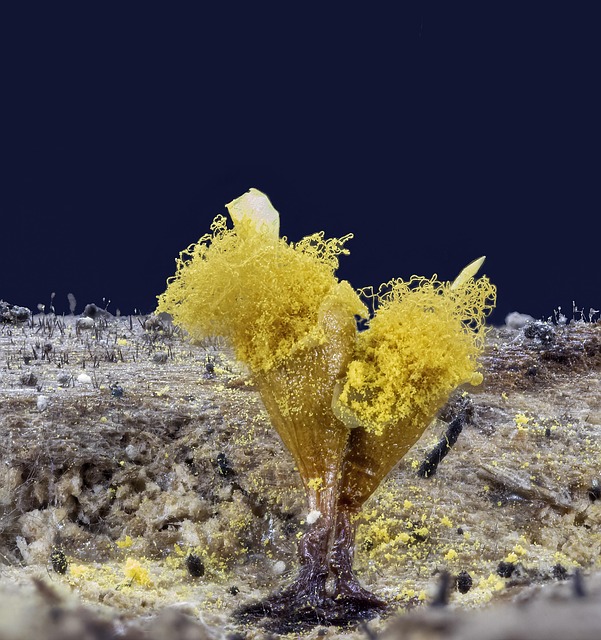
Preventing Mold Recurrence: Long-Term Solutions
In Miami’s humid climate, addressing mold issues requires a strategic, long-term approach to ensure it doesn’t reoccur. Beyond immediate mold removal naturally, which is crucial, focusing on proactive measures and identifying hidden mold growth is essential for maintaining a healthy environment. Property Restoration of the Capital Region emphasizes that remediating hidden mold development—often in hard-to-reach areas like attics—is critical as it can prevent future infestations. This includes regular inspections, especially after severe weather events, which are common in Miami.
One effective strategy involves adopting preventive measures like improving ventilation and addressing moisture issues. Homeowners should ensure adequate air circulation in their homes, using fans or air conditioning units to reduce humidity levels, particularly during the wetter months. Additionally, promptly repairing any leaks or sources of persistent moisture can significantly curb mold growth. Regular cleaning and maintenance, especially in areas prone to condensation like bathrooms and kitchens, are key components of a comprehensive mold prevention plan.
Moreover, education plays a vital role. Many residents might not realize that even small amounts of mold can cause health issues, especially for those with respiratory conditions. Understanding the signs of hidden mold growth—such as musty odors or visible water stains—enables swift action. Property Restoration of the Capital Region offers expert advice and services to help Miami-Dade homeowners remediate mold damage effectively. By combining these strategies, residents can create an environment that discourages mold recurrence, ensuring a safer, healthier living space.
In addressing local emergency mold response in Miami, this article has provided a comprehensive guide to understanding, preventing, and remediating mold-related issues. Key takeaways include the importance of early detection, as hidden mold signs can indicate a potentially dangerous situation. Natural mold removal techniques, such as using vinegar and baking soda, offer effective yet eco-friendly solutions for minor infestations. Safety protocols for DIY remediation emphasize the necessity of protective gear and proper ventilation. Professional mold inspection services are crucial for extensive or hidden mold problems, ensuring thorough and safe removal. To prevent mold recurrence, long-term solutions like improved ventilation, moisture control, and regular inspection are recommended. By integrating these insights, homeowners and property managers can effectively manage mold, prioritizing their health and well-being, and ensuring mold removal naturally where possible.