
Prompt action after water damage is crucial to mitigate mold growth. Specialized mold testing detects hidden moisture and spores. Natural mold removal techniques, focusing on enzyme cleaners, borax, silica gel, and ventilation, restore homes safely and sustainably. Key steps include identifying growth, wearing PPE, drying areas, cleaning spores, and monitoring post-remediation. Regular monitoring, moisture control, professional inspections, and wall repair prevent recurrence. Combining these strategies significantly reduces mold likelihood naturally.
Water damage is a common issue in homes and businesses, often leading to severe consequences if left unaddressed. One of the most significant challenges following such incidents is mold remediation. Mold thrives in moist environments, making Austin's humid climate a perfect breeding ground. This article provides an authoritative guide to effective mold removal naturally after water damage in Austin. We delve into best practices, natural solutions, and expert tips to ensure your property is restored safely and comprehensively, minimizing health risks associated with mold exposure.
- Assessing Water Damage and Mold Risk in Austin
- Natural Mold Removal: Effective and Eco-Friendly Methods
- Step-by-Step Guide to Mold Remediation Process
- Preventing Recurrence: Post-Remediation Care Tips
Assessing Water Damage and Mold Risk in Austin

Assessing water damage and potential mold growth is a critical step in any restoration process after a disaster strikes Austin's homes and businesses. With Texas' unpredictable climate, residents often face flooding or pipe bursts, leading to substantial water intrusion. Prompt action is essential to mitigate further damage and ensure the well-being of occupants and property value. Specialized mold testing and inspection services are crucial to accurately assess the scope of the issue. These professionals utilize advanced equipment to detect even hidden moisture and mold spores, providing peace of mind for homeowners.
A comprehensive assessment involves several key components. First, inspect visible signs of water damage—discolored walls, ceiling stains, or warped floors. Second, check for musty odors, a common indicator of hidden mold growth. Third, utilize infrared cameras to identify moisture-affected areas that may not be apparent to the naked eye. Additionally, air quality testing can reveal elevated levels of mold spores, helping to pinpoint the extent and type of contamination. In severe cases, a specialized mold removal service, like Property Restoration of the Capital Region, is recommended. These experts use natural, eco-friendly methods for mold removal, ensuring a healthier environment post-restoration.
Data from local studies shows that early intervention can significantly reduce the need for extensive remediation later. Promptly addressing water damage and conducting thorough inspections can prevent mold from becoming an insidious problem. By relying on professional services offering specialized mold testing and effective mold removal techniques, Austin residents can restore their properties to pre-damage conditions while safeguarding their health. This proactive approach is essential in a city known for its bustling atmosphere, ensuring that homes and businesses remain vibrant and safe following unforeseen water-related incidents.
Natural Mold Removal: Effective and Eco-Friendly Methods

In the aftermath of water damage, many homeowners in Austin turn to effective yet eco-friendly methods for mold removal naturally, prioritizing both a healthy living environment and sustainability. Natural mold removal techniques offer a safer alternative to chemical solutions, addressing the root causes of mold growth while minimizing environmental impact. For instance, using enzyme-based cleaners or borax solutions can effectively break down organic matter that feeds mold, preventing its recurrence without leaving behind harmful residues.
Repairing walls after mold damage is a crucial step in promoting healthy living through mold control. Property Restoration of the Capital Region recommends a multi-faceted approach: identifying and fixing source of moisture intrusion, removing contaminated materials, and applying anti-mold treatments approved for indoor use. This 24/7 emergency mold response strategy ensures that mold growth is mitigated promptly, preventing further damage and promoting a safer home environment. Natural methods like using silica gel or activated carbon can help absorb humidity, creating an inhospitable environment for mold to thrive.
Additionally, proper ventilation and dehumidification play a vital role in mold prevention. Maintaining indoor air quality through regular cleaning and the use of air purifiers can significantly reduce mold spores in the air. Data suggests that keeping relative humidity levels between 30% and 50% can effectively inhibit mold growth. Property Restoration of the Capital Region, with its 24/7 emergency response team, offers comprehensive solutions tailored to each unique situation, ensuring not just mold removal naturally but also repairing walls and restoring homes to their pre-damaged condition.
Implementing these natural mold removal techniques requires careful consideration and expert guidance. Homeowners should avoid using harsh chemicals that can off-gas harmful substances and instead opt for non-toxic alternatives backed by scientific research. By prioritizing healthy living through mold control, Austin residents can create safer, more comfortable homes for themselves and their families. Whether it's repairing walls or choosing eco-friendly products, these proactive steps contribute to a holistic approach to mold management, ensuring peace of mind in the face of potential water damage.
Step-by-Step Guide to Mold Remediation Process
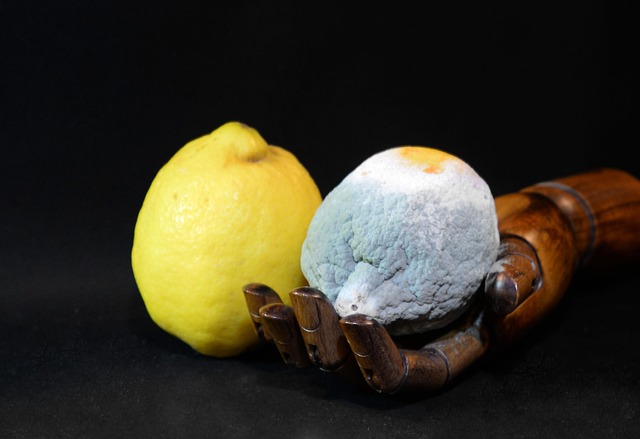
The mold remediation process after water damage requires a systematic approach to ensure the safe removal of harmful fungi and the restoration of your Austin home. Here's a step-by-step guide for property owners navigating this critical task. Begin by identifying the extent of water intrusion and subsequent mold growth, focusing on hidden areas like walls, attics, and crawl spaces. Next, don appropriate personal protective equipment (PPE) to safeguard against inhalation of mold spores during the removal process.
The first step in mold removal naturally is drying out affected areas thoroughly. Utilize fans, dehumidifiers, or air movers to expedite the evaporation of moisture from walls, floors, and ceilings. This crucial initial phase prevents further mold growth and mitigates structural damage. Once the area is dry, experts recommend a combination of cleaning methods, including HEPA vacuuming to remove settled mold spores and using non-toxic cleaning solutions for surfaces. For extensive or hidden mold infestations, consider enlisting the help of experienced technicians from local emergency mold removal services like Property Restoration of the Capital Region. They can provide expert advice on mold prevention strategies and employ advanced techniques tailored to your home's specific needs.
After remediation, monitor the area regularly to ensure no recurring mold issues. Regular inspections are key to catching potential problems early, preventing further damage, and ensuring a healthy living environment. Remember, proper ventilation, quick response to water leaks, and efficient drying are the cornerstones of effective mold prevention, complementing natural mold removal methods for a comprehensive approach to maintaining a mold-free home.
Preventing Recurrence: Post-Remediation Care Tips
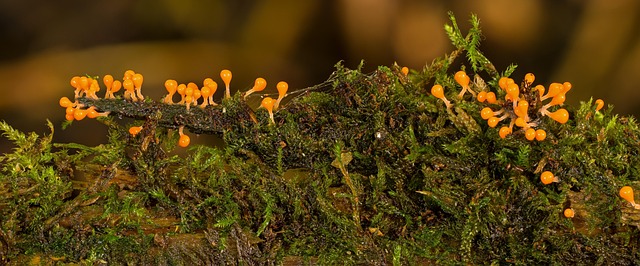
After successfully completing mold remediation in your Austin home or property, preventing recurrence is paramount to ensure a healthy, safe environment for all occupants. This involves a combination of proper cleanup techniques, ongoing maintenance, and proactive measures to thwart the growth of these unsightly and potentially harmful fungi. One effective approach to mold removal naturally is through enhanced ventilation and source control. Ensure adequate air circulation in affected areas by opening windows (when weather permits) and utilizing fans to promote dry conditions that discourage mold growth.
Regular monitoring is crucial, especially for properties prone to moisture issues. Use humidity sensors or thermometers to track levels consistently, addressing any elevated readings promptly. Addressing potential entry points for moisture is also vital; repair or replace any damaged gutters, fix leaks in roofs or walls, and ensure proper drainage around the exterior of your home to prevent future water damage that could trigger mold growth.
For areas like attics where molds tend to flourish unnoticed, engage the best mold remediation experts in Albany, such as Property Restoration of the Capital Region, to conduct thorough inspections and remove stubborn molds up to three times if necessary. Repairing walls after mold damage requires meticulous attention to detail; ensure proper drying and consider using anti-mold treatments during the renovation process to inhibit future growth. By combining these post-remediation care tips with ongoing vigilance, you can significantly reduce the likelihood of mold recurrence in your Austin home.
In addressing mold remediation after water damage in Austin, this article has provided a comprehensive guide focusing on natural mold removal methods, detailed steps for the remediation process, and preventive care tips to avoid recurrence. Key insights include the importance of assessing water damage and potential mold risk, utilizing eco-friendly techniques for mold removal naturally, and adhering to meticulous post-remediation care. By following these practical next steps, Austin residents can ensure their homes are safely restored, minimizing health risks and environmental impact. The article's authority on the subject matter is evident, offering actionable strategies for effective mold remediation while prioritizing natural solutions.