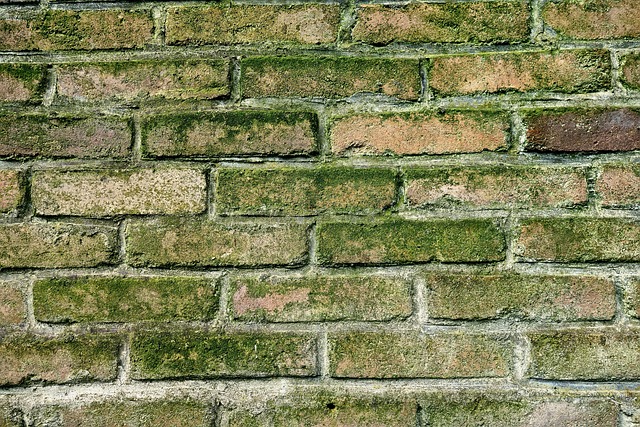






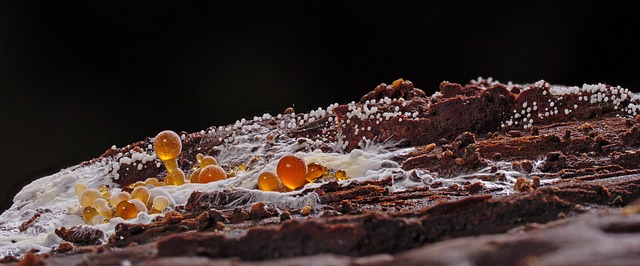
Mold, including Cladosporium, Aspergillus, and black mold, thrives in damp, humid environments. Removal requires understanding types, addressing moisture sources, and choosing strategies: natural (vinegar, baking soda) or professional assistance. Key insights: identify moisture issues, remove contaminated materials, use natural methods for small outbreaks, and seek professionals for severe cases. Prevent recurrence through ventilation, inspection, and quick leak repair. Regular monitoring ensures a safe, healthy living space.
In many homes, mold grows unnoticed, hidden behind walls or beneath floors, posing significant health risks to residents. The presence of mold can lead to respiratory issues, allergies, and even damage to structures. With growing awareness of natural solutions, exploring mold removal near me often brings up the topic of eco-friendly, non-toxic methods—specifically, mold removal naturally. This article provides an authoritative guide to navigating this issue, offering practical advice and insights to effectively and safely address mold concerns, ensuring a healthier living environment for all.
- Understanding Mold: Types, Causes, and Health Risks
- Identifying Mold: Signs and Common Problem Areas
- Natural Mold Removal Techniques and DIY Solutions
- Professional Mold Remediation: When to Seek Expert Help
- Preventing Mold Recurrence: Post-Removal Care Strategies
Understanding Mold: Types, Causes, and Health Risks

Understanding mold is crucial when addressing any issues related to its removal, especially near you. Mold, a fungus that thrives in damp environments, comes in various types, each with unique characteristics. The most common include Cladosporium, which often grows on walls and ceiling tiles, and Aspergillus, known for its potential health risks associated with certain species. Black mold, specifically Stachybotrys chartarum, is notorious for its dark color but is less common than many believe; it requires specific conditions to grow, such as extensive water damage or high humidity.
Mold growth results from a combination of moisture, inadequate ventilation, and organic matter like wood or fabric. It can infiltrate buildings through small cracks in walls or windows, or even be transported indoors on contaminated clothing or shoes. Once established, mold reproduces by releasing spores, which can lead to noticeable health issues for occupants. Symptoms range from mild irritation to severe allergic reactions, respiratory problems, and cognitive impairments. This is why prompt action and safe removal of mold, especially black mold, are essential.
When addressing mold problems, many consider natural methods for mold removal as a safer alternative to chemical-based solutions. Natural techniques often involve a combination of non-toxic cleaning agents, such as vinegar or baking soda, and physical removal like scrubbing or drying. However, it’s important to note that severe or extensive mold infestations may require professional intervention. Companies specializing in local mold removal, like Property Restoration of the Capital Region, offer advanced equipment and expertise for thorough and safe remediation. Say goodbye to mold problems with a comprehensive approach that includes identifying and addressing the source of moisture, removing contaminated materials, and employing effective yet natural mold removal strategies.
Identifying Mold: Signs and Common Problem Areas
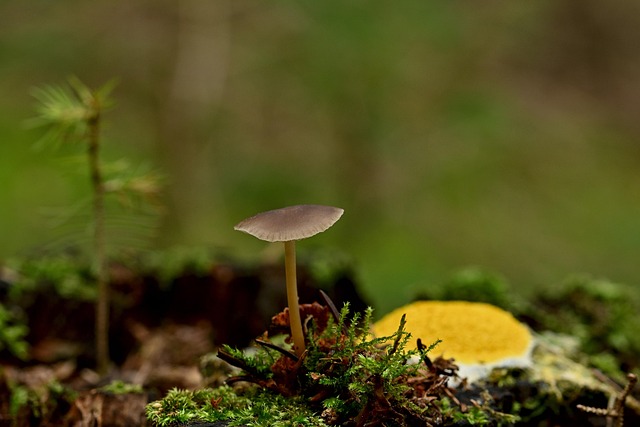
Identifying mold requires a keen eye as it often hides in plain sight. This insidious growth can manifest in various forms, from discolored patches on walls to musty odors lingering in the air. Common problem areas include places with high humidity, like bathrooms and kitchens, or areas where water has intruded, such as after floods or leaks. Even behind walls or under floors, mold can thrive, making its presence known only through telltale signs.
Look for visible evidence like patches of black, green, or blue-green algae, often fuzzy or powdery in texture. You may also notice peeling or blistery paint, warped wood, or musty smells that don’t dissipate. While some people are sensitive to mold and can experience allergic reactions, it’s important to note that not all molds are dangerous. However, proper identification is crucial before considering mold removal naturally or turning to mold removal services near me.
Restoring your space after a mold infestation requires a multi-step process focusing on safe cleaning for mold-prone areas 1-3 times, depending on severity. The goal is not just to remove the visible mold but also to address any underlying moisture issues that fueled its growth. This is where professional expertise from brands like Property Restoration of the Capital Region becomes invaluable. They employ specialized techniques and products designed for effective yet safe mold removal, ensuring a healthier environment for you and your family.
Natural Mold Removal Techniques and DIY Solutions
In addressing mold issues, many homeowners initially turn to natural mold removal techniques and DIY solutions as a cost-effective and environmentally friendly approach. While these methods can be effective for small, isolated outbreaks, larger or chronic mold problems often require the expertise of local professionals for mold removal. In cities like Albany, where humidity levels can be high, proactive mold control is essential for maintaining healthy living environments.
For those considering natural mold removal, there are several DIY solutions worth exploring. White vinegar, for instance, is a popular choice due to its antifungal properties; it can be used to clean and prevent mold growth on surfaces like shower stalls and windowsills. Baking soda and hydrogen peroxide are also effective natural cleaners that can be mixed with water and applied to affected areas. Additionally, essential oils like tea tree oil possess powerful antimicrobial properties and can be added to cleaning solutions for enhanced effectiveness.
However, when dealing with extensive mold infestations, it’s crucial to engage the services of seasoned mold remediation experts. Organizations like Property Restoration of the Capital Region specialize in addressing complex mold removal needs. They employ advanced techniques and equipment, such as air filtration systems and moisture mitigation strategies, to ensure thorough and safe mold removal. These professionals are trained to handle high-risk situations, identify the source of moisture, and implement protocols that meet or exceed industry standards for healthy living through mold control.
Regular inspection and early intervention are key to managing mold growth. The Albany area, with its diverse climate, requires year-round vigilance. Homeowners should be alert for signs of water intrusion, condensation, or musty odors, as these can indicate potential mold problems. By combining natural mold removal techniques with expert assistance when needed, residents can effectively mitigate mold risks and create healthier living spaces for their families.
Professional Mold Remediation: When to Seek Expert Help
When faced with mold issues, many homeowners initially consider DIY methods for mold removal. While some minor cases may be addressed through natural mold removal techniques, professional mold remediation is often necessary for thorough and safe restoration, especially after water damage. Property Restoration of the Capital Region emphasizes that seeking expert help is crucial for addressing hidden mold problems effectively.
Professional mold specialists employ advanced equipment and testing methods to identify mold sources and determine extent. From inspection to restoration, they provide a comprehensive service that goes beyond surface-level cleaning. These experts understand the complex nature of mold growth, particularly in damp environments often associated with water damage. Unlike DIY approaches which may only mask issues, professionals utilize specialized protocols and products designed for safe and complete removal, preventing future recurrences.
Restoring your home after water damage requires meticulous care to avoid further contamination and health risks. Property Restoration of the Capital Region serves as your partner in mold-free living, offering prompt response times and a commitment to restoring not just homes but also peace of mind. Their expertise ensures that every step from assessment to cleanup adheres to industry standards, guaranteeing a healthy and safe environment once again.
Preventing Mold Recurrence: Post-Removal Care Strategies

After successful mold removal, preventing a recurrence is paramount to restoring peace of mind. This critical step involves implementing post-removal care strategies that address the underlying causes of mold growth. Key among these is ensuring adequate ventilation and maintaining optimal humidity levels. Regular cleaning and inspection routines are essential; addressing water leaks promptly and improving air circulation in enclosed spaces can significantly reduce moisture buildup, hindering mold’s return.
Consider affordable mold cleaning for apartments as a proactive measure, focusing on areas prone to condensation or past moisture issues. Local professionals specializing in mold removal can offer tailored solutions, leveraging natural, non-toxic methods like essential oils and vinegar-based cleansers where appropriate. The goal is not just to eliminate visible signs of mold but to disrupt the fungal life cycle at its root. For instance, Property Restoration of the Capital Region emphasizes a holistic approach that involves identifying and remediating sources of moisture infiltration.
Regular monitoring, including air quality testing and visual inspections, remains crucial post-removal. Visual cues like musty odors or discolored walls should prompt immediate action. Data from the Environmental Protection Agency (EPA) highlights that indoor mold levels can be 100 times higher than outdoor levels, underscoring the importance of continuous vigilance. Affordability shouldn’t compromise quality; affordable mold cleaning services can provide effective, long-lasting solutions while ensuring your living or working environment remains free from this health hazard.
By systematically addressing mold removal near me, from understanding diverse mold types and their causes to identifying hidden problem areas, this article equips readers with comprehensive knowledge. Key takeaways include recognizing health risks associated with mold exposure, embracing natural mold removal techniques as viable DIY solutions for minor infestations, and understanding when professional remediation is crucial. Additionally, post-removal care strategies are highlighted to prevent mold recurrence. Armed with these insights, homeowners can effectively manage mold, prioritizing both indoor air quality and long-term prevention through natural mold removal methods where possible.