






Wall-to-wall carpet mold removal in New York focuses on moisture control, natural methods, and thorough prevention. Identify sources of humidity and leaks, use musty odors as a guide, and address issues promptly. Natural cleaners like vinegar and baking soda effectively eliminate minor infestations. For severe cases, insured professionals employ advanced techniques for safe, comprehensive restoration. Preventive measures include regular cleaning, ventilation improvement, and maintaining indoor humidity below 50%. Combining natural methods, affordable solutions, and proactive steps creates a healthier home environment by mold removal naturally.
New York City’s bustling landscape often presents challenges when it comes to maintaining indoor air quality. Wall-to-wall carpeting, a common feature in many NYC homes, can be prone to mold growth if not properly cared for. Mold removal is crucial not only for aesthetic reasons but also for the health and safety of residents. This article delves into effective strategies for wall-to-wall carpet mold removal, focusing on natural solutions. We’ll explore proven methods that not only eliminate mold but also ensure a healthier living environment without resorting to harsh chemicals. Our expert guidance will empower New York homeowners to tackle this common issue head-on.
- Understanding Wall-to-Wall Carpet Mold: Causes and Types
- Pre-Treatment: Preparing for Effective Mold Removal
- Natural Solutions for Mold Removal and Prevention
- Step-by-Step Guide: Removing Carpet Mold Safely
- Post-Treatment: Restoring Your Space Naturally
- Preventing Future Mold Growth on Wall-to-Wall Carpet
Understanding Wall-to-Wall Carpet Mold: Causes and Types

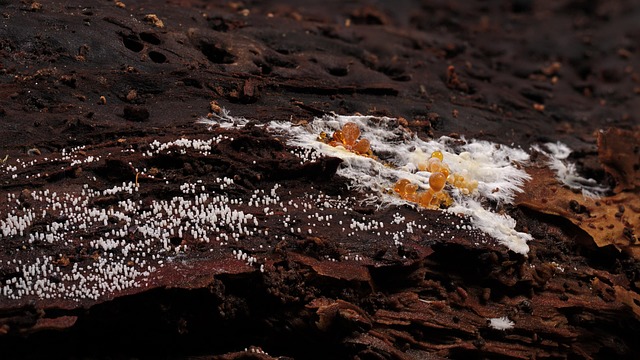
Wall-to-wall carpeting is a popular choice for homes and businesses across New York, offering comfort and style. However, it’s susceptible to mold growth, a significant concern that requires prompt attention. Understanding the causes and types of wall-to-wall carpet mold is essential for effective prevention and removal. Moisture is the primary catalyst, often stemming from water leaks, high humidity, or poor ventilation—common issues in the diverse climate of New York. Once established, mold can proliferate rapidly, forming various types depending on the specific conditions.
Common types include Aspergillus, a widely distributed genus known for its ability to thrive in diverse environments, and Penicillium, often found outdoors but capable of invading indoor spaces. Cladosporium is another prevalent species, particularly in warm, humid areas like basements or bathrooms. Each type exhibits distinct characteristics: colors ranging from black and green to white and grey, varying textures from fluffy to powdery, and distinct musty odors.
Expert advice on mold prevention emphasizes addressing moisture issues immediately. Regular ventilation, especially in humid areas, and prompt repair of leaks are crucial. Maintaining optimal indoor humidity levels between 30-50% can significantly deter mold growth. If mold does appear, natural removal methods like diluted vinegar or baking soda solutions offer effective alternatives to chemical-laden products. However, for extensive or hidden mold infestations, it’s advisable to seek insured and licensed mold services, such as Property Restoration of the Capital Region, to ensure thorough restoration of your space while mitigating health risks.
Pre-Treatment: Preparing for Effective Mold Removal
Before diving into the removal process, proper preparation is key to effective wall-to-wall carpet mold removal. This step, often overlooked, involves a systematic approach to ensure the mold is eliminated thoroughly and naturally. Start by identifying and addressing the source of moisture, as mold thrives in humid environments. Musty smells are a telltale sign; track them back to their origin, which could be anything from leaky pipes to inadequate ventilation. Once the source is pinpointed, take measures to rectify it immediately to prevent future growth.
Next, assess the extent of the mold infestation. Visual inspection might reveal discolored patches or spots on the carpeting. However, hidden mold can exist beneath the surface, especially with wall-to-wall carpets. In such cases, consider using a moisture meter to gauge humidity levels and detect any anomalies. This data is crucial when deciding on natural mold abatement methods, as it guides the choice of materials and techniques. Remember, a top-rated mold abatement company like Property Restoration of the Capital Region can provide expert advice tailored to your situation.
Pre-treatment involves preparing the area for removal by gathering necessary tools and supplies. This includes protective gear such as gloves, masks, and goggles to safeguard against mold spores. Additionally, assemble natural cleaning solutions like baking soda, vinegar, or essential oils mixed with water. These alternatives are safe, effective, and environmentally friendly compared to commercial products. By combining these proactive measures with a thorough understanding of your carpet’s construction, you’re well-prepared to tackle the task at hand, ensuring optimal results from your local emergency mold removal process.
Natural Solutions for Mold Removal and Prevention

Mold can be a persistent problem in New York’s diverse climate, but it doesn’t have to mean resorting to harsh chemicals. Natural solutions for mold removal and prevention are both effective and eco-friendly, providing a safer approach for homes and businesses across the state. At Property Restoration of the Capital Region, we believe in the power of nature to combat this unwelcome invader.
One of the most powerful natural tools against mold is vinegar. This household staple is a potent antiseptic and antifungal agent. A simple 50/50 mixture of white vinegar and water can be used to clean affected areas, killing mold spores and preventing future growth. For more stubborn cases, essential oils like tea tree oil possess antimicrobial properties, adding an extra layer of protection. Combining a few drops of these natural oils with your cleaning solution can create an effective and fragrant mold remover.
Beyond these DIY methods, there are numerous eco-friendly products available on the market designed specifically for mold removal. Enzymatic cleaners, for instance, use proteins derived from fungi to break down and eliminate mold without leaving toxic residues. These solutions are particularly beneficial in sensitive areas like bathrooms and kitchens where mold often flourishes. Additionally, proper ventilation and humidity control are key strategies in preventing mold growth. Using fans, dehumidifiers, or a combination of both can significantly reduce moisture levels, making your environment less hospitable to mold spores.
Preventing mold is the first step towards a healthier living space. Regular cleaning and maintenance, especially in mold-prone areas, can go a long way. Consider these actions as part of your routine: deep clean after water damage or leaks, promptly address any flooding, and ensure proper ventilation. If you suspect a severe mold issue, it’s crucial to seek professional help. A free estimate from a trusted restoration service like Property Restoration of the Capital Region can provide guidance tailored to your specific needs. By embracing natural solutions for mold removal and prevention, New Yorkers can create healthier homes and businesses while minimizing their environmental impact.
Step-by-Step Guide: Removing Carpet Mold Safely
Removing carpet mold safely is a crucial step for any New York homeowner facing this issue. Mold can thrive in dark, damp environments, often found under carpets, especially in kitchens where water leaks or high humidity are common. Before reaching for chemical solutions, consider natural methods for mold removal to ensure a healthier home environment. This step-by-step guide focuses on effective yet safe practices for tackling carpet mold, emphasizing natural approaches whenever possible.
First, isolate the affected area by closing nearby doors and windows to prevent the spread of spores. Put on protective gear, including gloves, a mask, and goggles, as mold removal can release harmful particles into the air. Remove any furniture from the carpeted area for easier access and cleaning. Next, gently vacuum the carpet using a machine with a high-efficiency particulate air (HEPA) filter to capture mold spores without dispersing them further. Be sure to dispose of the vacuum bag immediately in an outdoor container to avoid reintroducing spores into your home.
For mild cases, a mixture of equal parts water and white vinegar can be used to clean the carpet. Apply this solution to the affected area using a spray bottle or cleaning pad, focusing on heavily discolored or musty spots. Let it sit for about 15 minutes, then scrub gently with a soft-bristled brush. Rinse thoroughly with clean water and dry completely within 24 hours to prevent mold from returning. In cases of severe infestation or extensive damage, professional carpet mold cleanup services are recommended. Companies like Property Restoration of the Capital Region offer specialized mold removal services near me, ensuring thorough remediating of mold in kitchens and other high-risk areas. They employ advanced techniques and products designed to eliminate mold at its source while minimizing disruption to your home or business.
Post-Treatment: Restoring Your Space Naturally

After successfully removing mold from your New York home or property, restoring your space to its pre-contaminated state naturally is a crucial step. Many traditional mold removal methods involve harsh chemicals that can leave behind residuals and cause further health issues. At Property Restoration of the Capital Region, we prioritize safe and natural mold removal techniques that not only effectively eliminate mold but also restore peace of mind for our clients.
The first step in natural mold removal is thorough cleaning. This involves using non-toxic, environmentally friendly cleaners such as baking soda, vinegar, or essential oils. For example, a mixture of equal parts white vinegar and water can be used to clean surfaces and remove any remaining mold spores. After cleaning, it’s essential to dry the area completely to prevent mold from returning. Natural ventilation and dehumidification play a significant role in this process. Opening windows, using fans, or investing in a dehumidifier can help reduce moisture levels, creating an inhospitable environment for mold growth.
Once the affected area is clean and dry, restoring your space naturally involves reinforcing preventive measures. This includes improving ventilation, addressing any underlying moisture issues, and incorporating natural remedies like essential oils or air purifiers. For instance, diffusing essential oils like tea tree or lemon in the affected room can help kill mold spores and freshen the air. Regular cleaning routines that include vinegar-based solutions for scrubbing floors and surfaces can also deter future mold growth. By combining these methods, you can effectively remove black mold safely, secure free estimates for mold removal, and restore your peace of mind—all while minimizing exposure to harmful chemicals.
Preventing Future Mold Growth on Wall-to-Wall Carpet
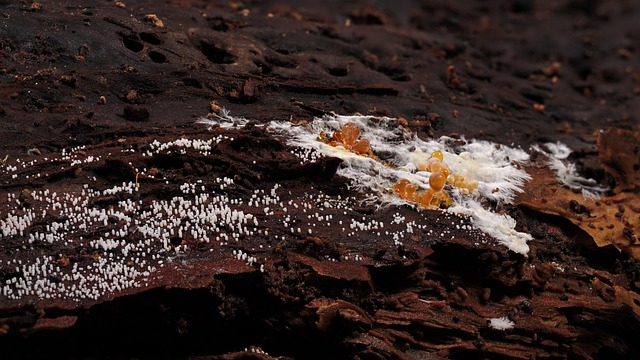
Preventing future mold growth on wall-to-wall carpeting is a critical step for maintaining a healthy indoor environment in New York apartments. According to the Environmental Protection Agency (EPA), mold can grow anywhere there is moisture and poor ventilation—prevalent issues in densely populated urban areas like New York City. Regular, thorough cleaning and immediate attention to water leaks are essential preventive measures. Affordable mold cleaning for apartments doesn’t have to be a costly endeavor; natural, DIY solutions like vinegar and baking soda can effectively kill and prevent mold growth without breaking the bank. For instance, a 50/50 mixture of white vinegar and water can be used as a carpet cleaner, leaving no toxic residue that could attract future mold infestations.
Your local mold solution experts, trusted local mold specialists, and Property Restoration of the Capital Region emphasize the importance of addressing moisture issues at their source. This may involve repairing leaky pipes, improving ventilation systems, or even re-insulating problem areas to reduce condensation. By tackling these underlying causes, you significantly reduce the risk of mold returning. Regular inspections, especially after seasonal weather events that can cause flooding or increased humidity, are crucial in catching potential problems early. For example, data from the New York City Department of Health indicates that over 50% of reported mold cases stem from water intrusion, making proactive measures all the more vital.
Beyond cleaning and addressing moisture, maintaining good air quality is another key line of defense. This includes ensuring adequate ventilation in bathrooms and kitchens, commonly problematic areas due to high humidity levels. Utilize exhaust fans or open windows whenever possible to reduce indoor humidity below 50%. Consider investing in an air purifier equipped with a HEPA filter to trap microscopic mold spores, further safeguarding your living space. By combining these strategies—natural mold removal methods, affordable cleaning solutions, and proactive measures against moisture intrusion—residents can effectively prevent future mold growth on wall-to-wall carpeting, creating a healthier, more comfortable home environment.
After exploring the comprehensive guide on wall-to-wall carpet mold removal in New York, readers now possess a deep understanding of the issue’s intricacies. Key takeaways include recognizing various types and causes of carpet mold, preparing effectively for treatment, and employing natural solutions for both removal and prevention—a sustainable approach known as mold removal naturally. The step-by-step guide ensures safe removal processes, while post-treatment restores your space harmoniously with natural methods. Preventative measures are paramount to avoid future growth, emphasizing the importance of a proactive approach. This article equips readers with the knowledge and tools needed to address and prevent carpet mold, fostering healthier indoor environments through authoritative insights and practical applications.